

The Importance of Replacing Guttering and Downpipes
The correct guttering and downpipes direct rainwater away from your home to avoid flooding soil erosion, foundation damage and mould growth. Regular maintenance ensures that they are free of clogs and functioning efficiently.
Making sure your downpipes are sized to match the size of your roof is vital for proper drainage of water. This will eliminate bottlenecks and ensure the highest performance.
Placement
Gutters are intended to catch and drain rainwater. However when they're damaged or installed improperly, water could get into the walls and foundations of homes. This can lead to structural damage, soil erosion, flooding, and damp crawlspaces and basements. To avoid this from happening, it is essential to install gutters and downpipes in a proper manner. This is usually regulated in building regulations.
Downpipes are the drainage pipes that connect to a guttering or spouting and channel rainwater (and melting snow in cold climates) to the ground and away from the home through efficient gravity flow. They shield foundations and walls from water damage and also stop rotting fascia board and leaks.
Correct downpipe sizing is vital to a gutter system, as oversized downpipes can cause overflowing, and if placed too close to a home could increase the risk of flooding. The size of the downpipe is contingent on the roof pitch and the size. A rule of thumb is one downpipe for 9m (30ft).
There are many different materials for downpipes including plastic, metal and vinyl. Metal options like galvanised steel and aluminium provide strength, corrosion resistance and long-lasting endurance in all weather conditions. Plastic alternatives like PVC and vinyl are lightweight affordable, cost-effective, and simple to install, but they can be susceptible to UV deterioration in extreme sunlight.
Once the gutters and downpipes have been installed, seal them together using high-quality siliconeized caulking. This will ensure that the joint is water-proof, and that any rivets or screws are properly sealed to ensure that water can't get through them. You should also apply the caulking to any seams, end caps or downpipe outlets, to avoid leaks and obstructions.
Materials
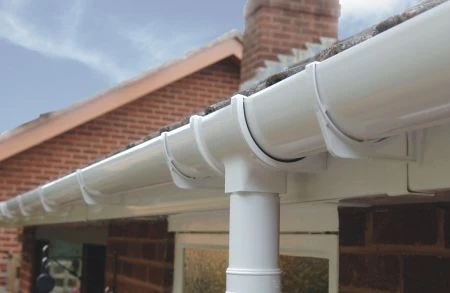
Gutters and downpipes must be in good working order to ensure that water flows smoothly. To avoid blockages, flooding or foundation damage, as well as expensive repairs, it's important to keep them clean and maintained regularly.
Before beginning, make sure you have the right items for your gutter replacement project. This includes the gutters themselves hangers, downpipes and hangers as well as sealant, connectors and screws. It is also essential to plan the installation carefully and work in a safe manner. Guttering and Downpipe Services walton-on-thames includes setting up a sturdy ladder and taking the proper precautions such as wearing personal protective equipment.
If you're installing new guttering, mark out the position of the downpipe opening on the wall of your house using pencil. Then, you can determine the length of the guttering to determine how much will need to cut.
Leave a little extra length when cutting the guttering to allow expansions lines and click-fit fittings. After you've cut the guttering, use a steel file to smooth away any burrs. Make sure to ensure that the click-fit connections are lubricated with silicone spray lubricant before fitting them.
Gutter hangers are accountable for supporting the weight of your rain gutters. It's therefore important to replace them if they begin to corrode. They are usually attached to the fascia board by sheet pop rivets or screws made of metal. It is also recommended to replace the gutter brackets and tie-ups.
Downpipes are utilized to drain rainwater away from your property. They help reduce the risk of basement flooding and soil erosion. They also help prevent water seepage in crawlspaces and wood decay. Effective downpipe drainage also helps to protect the roof by reducing stress on the structure and preventing overflow.
While you can undertake some downpipe repair and maintenance by yourself, a professional will be required to address more serious issues, such as damaged or clogged pipes that aren't clearing with flushing, or leaks that are caused by crushed spots or gaps. Qualified gutter contractors possess the equipment, tools and skills required to examine and repair any problems with downpipes. They also have the capability of replacing guttering and downpipes in the proper sizes and types to ensure maximum performance.
Installation
Downpipes are a must for your guttering system, ensuring that water from the roof is effectively drained. The guttering system may overflow if you don't have them. This could cause structural damage to your home, and other issues, like damage to your landscaping or basements, flooding in crawlspaces, and mould.
It is crucial to choose high-quality materials for your downpipes in order to ensure that they effectively drain rainwater. You will also want to choose the right size downpipes for your house depending on the amount of rainwater you need to divert and the surface area of your roof. There are a variety of styles and sizes to choose from, including round downpipes for traditional appearance as well as square ones for conventional and contemporary homes.
Once you have chosen your downpipes, they need to be put on the wall of your home. You can do this job yourself or employ a professional gutter company. If you decide to do it yourself, mark the location of each downpipe by drawing a line vertically. This will help to keep them straight and make sure they are in the exact spot they are required to be. After that, you can attach the brackets to the downpipes. They should be set at the ends of the downpipe to prevent them from moving over time, particularly if the eaves are low.
It is recommended to install downpipe extensions in the gutters if there is a lot of rainwater to divert to help to ensure that the water gets exactly where it needs to go. If your gutters and downpipes are not properly placed, they can cause standing water that can cause erosion in your yard or cracks in your foundation.
When the downpipes are put in place, it is crucial to look for gaps or leaks. Caulk should be applied to these areas to prevent water from getting into your home. Also, you should apply caulk to the joint and end caps of the downpipes in order to ensure they are waterproof.
Maintenance
Guttering and downpipes form an integral part of a home. They control the flow of water and redirect it away from crucial areas like doorways, patios, and garden beds. They protect the roof from water damage, as also the foundations. However with time, the downpipes and gutters can become clogged with debris, making them ineffective at their job. This can be prevented by maintaining and regularly cleaning your guttering system.
Gutter maintenance is a crucial and easy home improvement that must be completed every year to ensure that the guttering is operating efficiently. It involves inspecting and repairing the downpipes, making sure they aren't blocked, checking the gutters for leaks and cracks, and ensuring all the brackets are properly aligned. If the guttering have moved, the correct method for aligning them must be followed to avoid additional issues.
The downpipes are an essential part of the guttering system, helping to disperse rainwater from the roof. Installed in the gutter they should be placed at least one metre from the home. This will help keep water from important areas. It is recommended that a larger distance is better to minimize the chance of leaks and other issues with downpipes.
In time, downpipes could become clogged by moss and wet leaves. Regular cleaning and the use of unblockers for gutter drains will help keep your downpipes clear. Additionally, you can purchase downpipe plugs that fit into the end of your downpipes to stop blockages.
It is also recommended to add an outlet for your downpipe in your gutter system. This will help to direct water into an additional soakaway or gulley. To determine the correct positioning of the running outlet or stop end outlet, hang a plumb-line from the facia and position it directly above the drain point.
You can patch any holes that you find in your guttering using roofing cement. This should be applied on the inside surface of the gutter and then smoothed over. You can also use gutter sealants. These are best suited to iron guttering as they have an anti-rust coating to protect the material from moisture and other damaging elements.